Before You Rent a Camera, Tell Me About the Shoot
By Conrad Baird, Founder of Affordable Imports TT
When someone asks me about renting a camera, especially for the first time, I usually start with two questions: What are you trying to shoot, and what equipment do you already have?
Those answers help me understand the gap we need to fill. You might already have lenses and accessories, or you might be starting with an idea and need help working out what belongs in the kit.
Sometimes there’s a knowledge gap too. You may not know that a particular tool could solve a problem you’re likely to encounter. That’s why the conversation involves a bit of consulting alongside the equipment.
Start with the whole production
Your familiarity with a camera system matters. If you already use Sony and have compatible lenses, staying with a familiar system can make sense. You know the controls, and we can check how the rental fits with what you own.
But the camera also needs to fit the production.
Sometimes the deciding factor comes from the person editing the footage. They may need a particular recording format or codec, which is how the camera encodes the video. It’s worth having that conversation before choosing the camera.
Connections matter as well. If you’re using an external monitor or wireless video transmitter, we need to check that the camera’s output works with it. Matching HDMI or SDI connections is only part of that check; the video format needs to be compatible too.
Then there’s recording media. Cameras may use SD, CFexpress or CFast cards, with different requirements even within those families. A card you already own might not suit the camera or recording settings you intend to use.
Work out where the budget makes a difference
When someone has a tight budget, my recommendation depends on what they’re trying to achieve.
An older, more affordable camera may be perfectly capable of producing the result they need. There may be trade-offs in convenience, recording options or how the sensor handles fast movement. If several cameras are being used, matching their footage may also need consideration. The latest model isn’t automatically necessary.
Lens choice gives us other options. A lens with a smaller maximum aperture, indicated by a higher f-number, may cost less to rent, but lets in less light when used wide open. That could be workable in good light and more limiting elsewhere.
For distant sports, a smaller sensor gives a narrower field of view with the same focal length. That can help with framing the action, although it doesn’t physically magnify the subject or automatically capture more detail.
The useful question is: where will spending more actually help this shoot? Once we understand that, we can decide which compromises are reasonable.
Tell us where the equipment is going
One thing I wish customers would tell us before collection is exactly how and where they intend to use the equipment.
“Outdoors” can mean a shaded interview, a beach shoot or an event involving paint and mud. Those environments bring very different concerns.
Salt spray, sand, prolonged sun exposure and messy locations affect equipment selection, protection and handling. Knowing beforehand gives us a chance to discuss those conditions properly.
It also affects support equipment. For example, I don’t send wheeled stands into dirt or sand. That detail might seem separate from choosing a camera, but it’s part of making sure the setup suits the location.
Consider the accessories that earn their place
Once the main equipment is settled, we can look at what will make it practical to use.
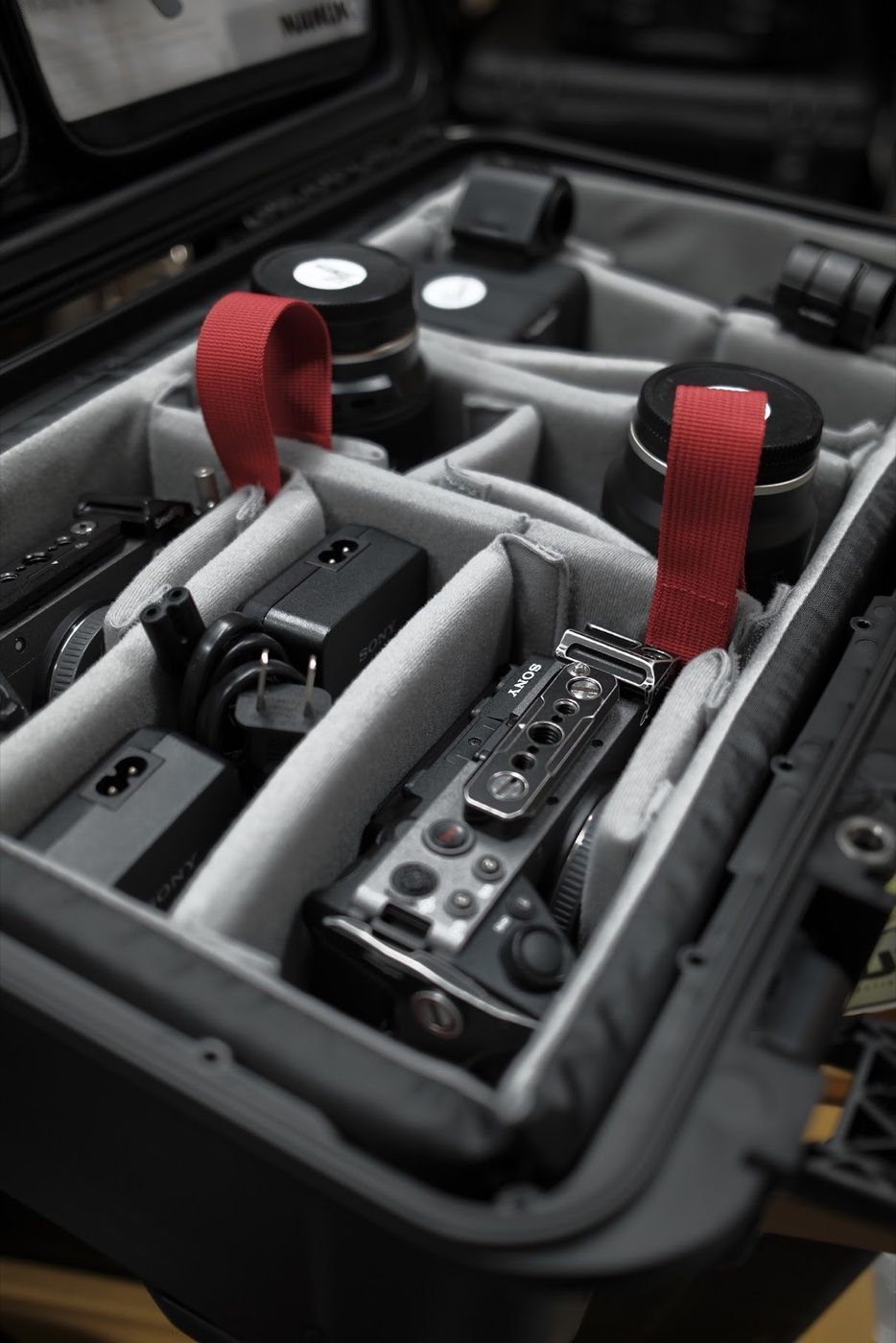
For a long shoot, that might mean additional batteries or a compatible V-mount power setup. For outdoor work, a brighter monitor may help you see and assess the image. Certain shots may benefit from a follow focus, while a simpler setup may be easier to manage without one.
A tripod also needs to suit the complete camera setup, including the lens and any attached accessories.
You won’t need all of these things for every job. Each addition should have a purpose, and we should consider the extra weight, connections and setup time it brings.
Come with the idea, even if the kit isn’t settled
If you’re looking for camera rental in Trinidad and Tobago, tell us what you want to create, what you already have, your budget and where you’ll be working. If an editor or production team has technical requirements, bring those into the conversation too.
You don’t need to arrive with every answer.
My aim is for you to leave with equipment that suits the job and a clear understanding of how you’ll use it. That preparation gives you more room to concentrate on creating when the shoot begins.